
As global demand for sustainable food-service products accelerates, the pulp molding industry is experiencing a rapid shift toward renewable, low-carbon raw materials. In The Complete Guide to Pulp Molding Tableware Machines, we explored how modern forming systems, hot-pressing technology, and smart drying solutions define production efficiency and product quality. Within this broader manufacturing ecosystem, bagasse pulp has emerged as one of the most promising raw materials—offering both environmental benefits and excellent processing performance for molded tableware.
This chapter explains why bagasse pulp is becoming the preferred fiber source for next-generation eco-friendly packaging, and how it integrates seamlessly with advanced pulp molding tableware machines.
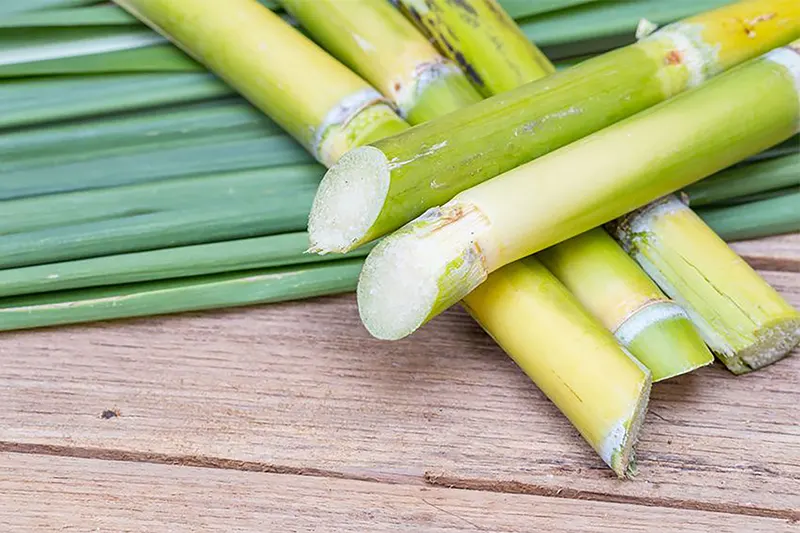
1. Bagasse: A Renewable Fiber Perfectly Aligned With Green Manufacturing
Bagasse is the fibrous residue left after sugarcane is crushed to extract juice. Once considered agricultural waste, it is now recognized as a high-value, renewable biomass ideal for molded pulp products.
Key Environmental Advantages
- Zero-waste utilization — Bagasse transforms a post-harvest by-product into valuable packaging material.
- Fast-renewing plant source — Sugarcane grows in 12–14 months, providing a continuous fiber supply.
- Lower carbon footprint — Bagasse production generates significantly fewer emissions than plastic or wood-based alternatives.
- Naturally biodegradable and compostable — Tableware made from bagasse decomposes in 30–90 days under industrial compost conditions.
These attributes directly support the environmental goals outlined in the main guide: reducing single-use plastic waste, promoting circular resource use, and lowering overall production impact.
2. Superior Fiber Structure for High-Quality Tableware Forming
From a manufacturing perspective, bagasse pulp offers ideal fiber characteristics for modern pulp molding tableware machines.
Processing Benefits in Pulp Molding
- Longer fiber length ensures strong bonding during forming.
- High bulk and stiffness make it suitable for plates, bowls, clamshells, and food trays.
- Easily refined to achieve the precise water-fiber ratio needed for forming stability.
- Compatible with hot-press thermoforming, producing smooth surfaces and sharp product details.
In The Complete Guide to Pulp Molding Tableware Machines, we emphasized the importance of refining, forming uniformity, dehydration performance, and heat-press consolidation. Bagasse fibers naturally complement these technical requirements, resulting in:
- Faster mold drainage
- Higher edge definition
- Reduced risk of cracking
- Better rigidity after hot pressing
This makes bagasse one of the most machine-friendly raw materials available.
3. Perfect Integration With Modern Tableware Production Lines
Advanced pulp molding equipment—especially high-precision forming and hot-press systems—are optimized to work with bagasse pulp.
How Bagasse Enhances Production Efficiency
- Stable slurry behavior improves molding consistency.
- Lower energy consumption due to faster water removal.
- Compatible with automated thermoforming lines, enabling high throughput.
- Reduced need for chemical additives, keeping production clean and eco-compliant.
Bagasse pulp also works exceptionally well with:
- Reciprocating forming lines
- Rotary pulp molding machines
- Fully automated tableware production systems
- High-end industrial packaging thermoforming lines
By using bagasse, manufacturers can maximize the efficiency and output discussed in the main guide.
4. Market Trends Driving the Bagasse Boom
Bagasse aligns with global sustainability policies, especially for food-contact packaging.
Market Forces Supporting Bagasse Adoption
- Government bans on single-use plastics in Europe, Middle East, Southeast Asia, and North America.
- Brand pressure for eco-friendly packaging in F&B chains.
- Consumer preference for natural, biodegradable products.
- Strong supply chain from major sugarcane-producing countries such as Brazil, India, Thailand, and China.
For investors and manufacturers exploring opportunities—an important theme in the main guide—bagasse pulp represents an accessible, scalable raw material that supports long-term business growth.
5. A Sustainable Future Built on Renewable Fibers
Bagasse pulp is more than just an alternative fiber source—it is a strategic material driving the next evolution of environmentally responsible packaging. Its compatibility with pulp molding tableware machines, combined with its excellent forming properties and renewable supply chain, makes it a cornerstone of future production lines.
As the industry continues to adopt advanced molding and hot-press technologies described in The Complete Guide to Pulp Molding Tableware Machines, bagasse will remain at the center of eco-friendly, high-performance tableware manufacturing.