
Suriname is located on the northeastern coast of South America, with a strong resource-based economy focusing on mining, agriculture, and services. In recent years, as global awareness of environmental issues has increased, pulp tableware has emerged as a key eco-friendly alternative to traditional plastic products. The market for such products is gaining momentum in Suriname, driven by both local and international sustainability trends.
2. Market Demand
Regulations & Government Push for Sustainability
- The Surinamese government has started to address plastic pollution, and several environmental policies are being gradually implemented, particularly in the food packaging and single-use tableware sectors.
- Many restaurants and food businesses are facing pressure to transition to eco-friendly tableware as a replacement for plastic products.
- Global trends: There is a growing demand for eco-friendly tableware in Suriname, aligning with global shifts towards sustainable products. This includes paper plates, bowls, cups, and takeout containers, all of which fall under the pulp molding category.
Limitations of the Current Market
- Suriname’s pulp tableware production capacity is currently very limited, and the market heavily relies on imports, especially for high-quality products.
- High import costs: Due to the lack of local production, the cost of importing pulp tableware products is relatively high, including transportation and tariffs.
Rising Consumer Demand for Eco-Friendly Products
- As awareness of environmental issues increases, both consumers and businesses are seeking eco-friendly alternatives, driving demand for biodegradable and compostable tableware.
- Paper tableware (such as paper bowls, plates, and cups) is becoming an increasingly popular substitute for plastic and foam alternatives, which creates a growing market for pulp-based products.
3. Resource Availability
Raw Materials for Pulp Production
- Waste paper: Suriname may not yet have a fully established recycling system, but the country generates large amounts of paper waste (e.g., cardboard, packaging) that can be used as raw material for pulp molding production.
- Wood resources: Suriname has abundant forest resources, which can be utilized for wood pulp, making it feasible to establish a domestic supply chain for pulp-based products.
Equipment Demand
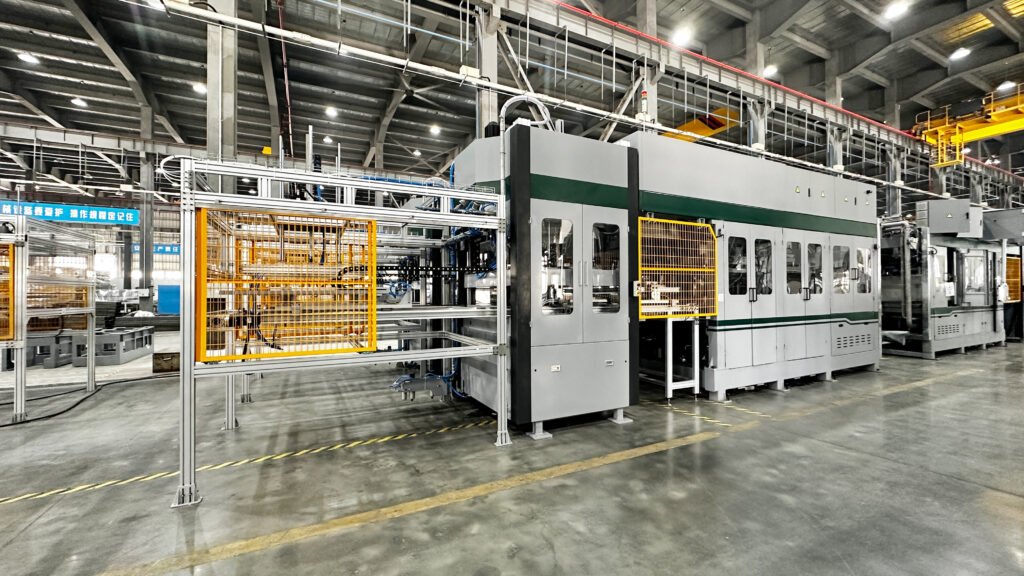
- Lack of local equipment: Suriname currently lacks specialized equipment for pulp tableware production, making it an attractive opportunity for foreign investments.
- Production scale: Considering the size and economic development of Suriname, small to medium-scale production lines would be ideal to meet local demand while allowing room for expansion.
4. Market Opportunity
Local Production to Replace Imports
- With increasing demand for eco-friendly tableware, local production of pulp tableware could replace imports, reducing transportation costs and enhancing competitive advantage.
- By establishing local manufacturing, businesses can lower costs and also gain access to regional markets, where demand for sustainable products is growing.
Export Potential
- Regional expansion: Suriname’s strategic location provides an excellent opportunity to become a hub for exporting eco-friendly tableware to neighboring countries such as Guyana, French Guiana, and other Caribbean nations.
- As global demand for sustainable products rises, Suriname-made pulp tableware can tap into the international market, especially in countries with strict regulations on single-use plastics.
Government Incentives & Market Support
- Suriname’s government is likely to offer incentives to businesses that align with sustainability initiatives, such as tax rebates, grants, and subsidies for green manufacturing.
- By positioning the pulp tableware business as part of environmental efforts, manufacturers can benefit from government support and build a positive brand image.
5. Investment Strategy and Action Plan
Choosing the Right Equipment
- Invest in fully automatic or semi-automatic pulp tableware production lines, focusing on equipment that is energy-efficient and requires minimal maintenance.
- Offer a range of products such as plates, bowls, cups, and takeout containers to cater to a wide customer base, ensuring flexibility in production.
Market Positioning
- Position the pulp tableware products around key value propositions such as eco-friendly, biodegradable, and compostable. Emphasize low carbon footprints and environmental certification to enhance the appeal to environmentally conscious consumers and businesses.
- Tailor product offerings to the local market, while also considering exports to nearby countries with similar regulatory environments.
Engage with Government & Policy
- Actively engage with the Surinamese government to align with environmental goals, seek financial support, and leverage any available policy incentives for eco-friendly manufacturing.
- Join industry groups and environmental organizations to increase visibility and build relationships within the eco-business community.
6. Market Potential Summary
Suriname offers significant potential for pulp tableware production due to its natural resources, rising demand for sustainable products, and the opportunity to replace imports with local manufacturing. With a growing focus on eco-friendly and biodegradable tableware, the market is ready for investments in pulp molding machinery, offering long-term growth opportunities.